Post-Cancer Recovery & Oncological Longevity: The Science of Mitochondrial Rejuvenation, Immune Reconstitution, and Recurrence Prevention
Completing cancer treatment is a triumphant milestone, but survivors often face chronic fatigue, depleted immunity, and the lingering fear of recurrence. Discover the Medicine 3.0 blueprint to rebuild damaged mitochondria, awaken Natural Killer cells, and create an inhospitable metabolic terrain for cancer.
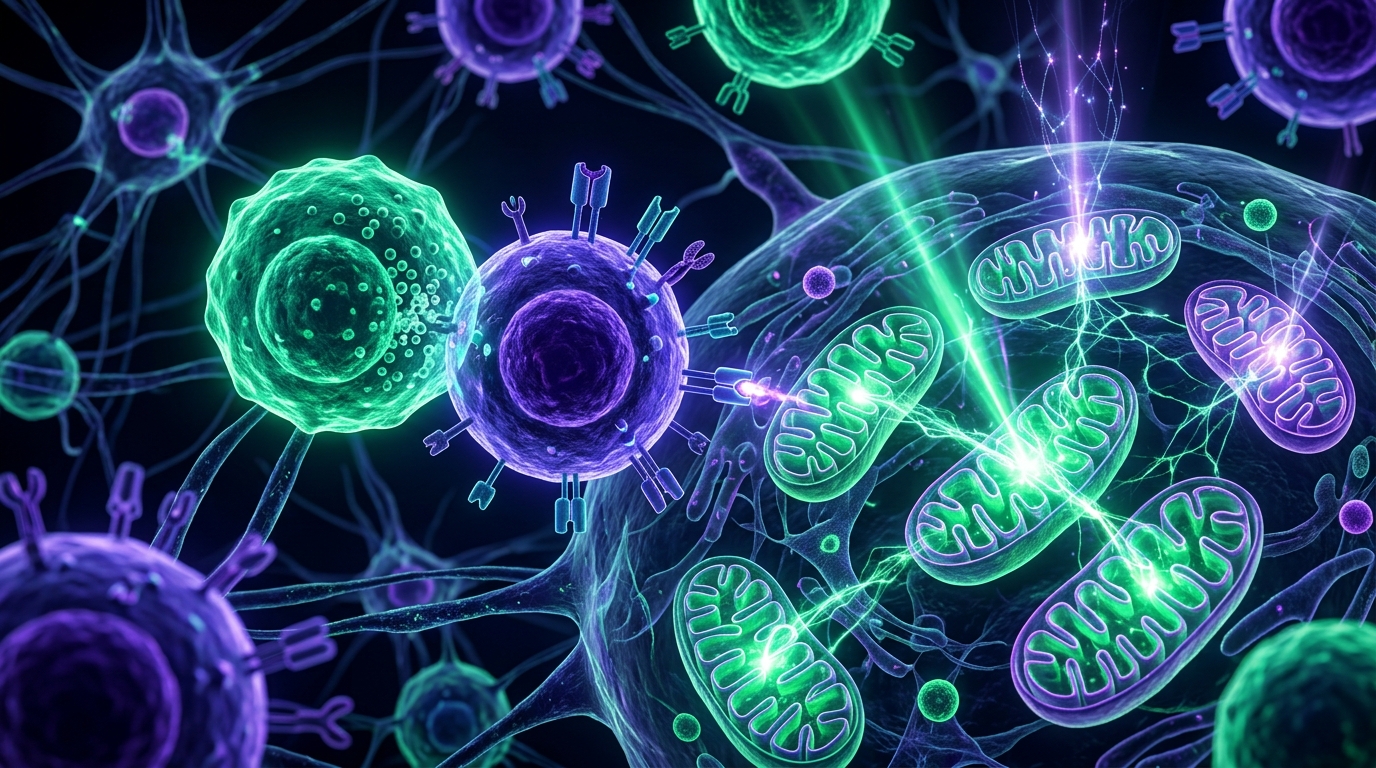
Ringing the bell at the completion of chemotherapy, radiation, or surgery is a momentous victory. Yet, for millions of cancer survivors, the post-treatment reality is clouded by Cancer-Related Fatigue (CRF), damaged cellular mitochondria, immune exhaustion, and the silent, terrifying fear of cancer recurrence.
Conventional oncology (Medicine 2.0) excels at surgical excision and cytotoxic tumor eradication. However, once acute treatment ends, patients are often told simply to "wait and watch" with periodic imaging scans.
Medicine 3.0 takes a proactive, biological approach.
Landmark oncology trials—such as the Nurses' Health Study and international exercise oncology registries—prove that proactive lifestyle interventions reduce cancer recurrence rates by 30% to 50% and cut all-cause mortality in half.
By repairing damaged mitochondria, rebuilding muscular mass, and starving pre-malignant cells of mitogenic growth signals (Insulin and IGF-1), survivors can construct a resilient internal terrain where cancer simply cannot thrive.
1. Changing the Metabolic Terrain: Starving the Soil
In 1889, Stephen Paget formulated the "Seed and Soil" theory of cancer: a malignant cell (the seed) cannot metastasize or proliferate unless the host tissue environment (the soil) provides the biochemical fuel and growth factors it requires.
🔬 The 3 Metabolic Pillars of Cancer Recurrence Prevention
- Hyperinsulinemia & IGF-1 Suppression: Insulin and Insulin-like Growth Factor 1 (IGF-1) are potent cellular growth hormones. Chronically elevated insulin binds to tumor cell receptors, activating the PI3K/Akt/mTOR pathway, which stimulates cell division and blocks apoptosis (programmed cell death).
- Depriving the Warburg Glycolysis: In 1924, Otto Warburg demonstrated that cancer cells rely primarily on high-rate aerobic glycolysis (burning glucose) to generate energy. Flattening blood glucose spikes removes the primary substrate driving rapid tumor growth.
- Extinguishing Systemic Inflammaging: Elevated systemic inflammation (hs-CRP, IL-6, TNF-α) suppresses immune vigilance and remodels the extracellular matrix, creating permissive pre-metastatic niches.
2. Mitochondrial Rejuvenation: Overcoming Cancer-Related Fatigue
Chemotherapeutic agents (such as anthracyclines and platinum compounds) and radiation therapy save lives, but they inflict severe collateral damage on healthy mitochondrial DNA. This intracellular bioenergetic deficit is the true root cause of persistent post-cancer exhaustion.
The Science of Mitochondrial Renewal (Mitophagy + Biogenesis)
To eliminate fatigued, mutated mitochondria and generate healthy new energy powerhouses, the body requires two synchronized biological signals:
- Mitophagy (Cellular Cleanup): Up-regulated through circadian fasting (14–16 hours), during which lysosomes digest and recycle damaged, free-radical-leaking mitochondrial fragments.
- Mitochondrial Biogenesis (New Growth): Triggered by Zone 2 aerobic exercise, which activates PGC-1α (Peroxisome proliferator-activated receptor gamma coactivator 1-alpha), stimulating the creation of pristine, highly efficient mitochondria throughout muscle and organ tissues.
3. Immune Reconstitution: Awakening Natural Killer (NK) Cells
Your immune system is your body’s primary defense against micro-metastatic cancer cells. After oncology treatments, restoring the potency of Natural Killer (NK) cells and Cytotoxic CD8+ T-cells is critical:
- Exercise as an Immunological Infusion: A single 30-minute session of moderate exercise mobilizes millions of highly active cytotoxic NK cells and gamma-delta T-cells into the bloodstream, increasing immunosurveillance by up to 400%.
- Circadian Melatonin Synchronization: Melatonin produced during deep, dark sleep is not merely a sleep hormone—it is a potent oncostatic antioxidant that enhances NK cell cytotoxicity and neutralizes free radicals in DNA.
4. The 4-Pillar Oncological Longevity Protocol
Pillar 1: Fuel — Low-Glycemic, Anti-Inflammatory Nutrition
- Target Fasting Insulin : Eliminate refined carbohydrates, liquid sugars, and ultra-processed foods to maintain low basal insulin and suppress free IGF-1.
- Sulforaphane & Cruciferous Vegetables: Broccoli sprouts, kale, and cauliflower contain sulforaphane, which upregulates Nrf2, boosting intracellular glutathione and phase II liver detoxification.
- Sufficient Protein for Sarcopenia Reversal (1.6–2.0 g/kg): Cancer cachexia and chemotherapy degrade skeletal muscle. Prioritize clean, bioavailable protein to restore the body's primary metabolic sink.
Pillar 2: Fasting — Circadian Autophagy
- The 14:10 / 16:8 Fasting Window: Fasting nightly for 14–16 hours has been shown in clinical trials (JAMA Oncology 2016) to lower breast cancer recurrence risk by 36% by improving glycemic regulation and sleep architecture.
Pillar 3: Movement — Resistance Training + Zone 2 Aerobics
- Zone 2 Cardio (150 Mins/Week): Walking, cycling, or swimming at a conversational pace to drive mitochondrial biogenesis and flush lymphatic circulation.
- Progressive Resistance Training (2–3 Days/Week): Rebuilding muscle mass downregulates chronic systemic inflammation and restores metabolic rate.
Pillar 4: Sleep & Parasympathetic Restoration
- 7.5–8.5 Hours of Restorative Sleep: Prioritize cool, pitch-black sleep environments to maximize nightly melatonin synthesis and glymphatic clearance.
5. Medicine 3.0 Oncological Surveillance Biomarkers
Track these functional biomarkers every 3 to 6 months to ensure your systemic terrain remains hostile to cancer:
| Biomarker | Post-Treatment High-Risk | Medicine 3.0 Longevity Target | Clinical Biological Impact |
|---|---|---|---|
| Fasting Insulin | Starves tumors of PI3K/mTOR proliferation signals | ||
| hs-CRP (Inflammation) | Prevents inflammatory remodeling of metastatic niches | ||
| HOMA-IR | Ensures pristine whole-body insulin sensitivity | ||
| Serum 25(OH) Vitamin D | Regulates genomic transcription and NK cell potency | ||
| NLR (Neutrophil/Lymphocyte) | Reflects balanced, un-exhausted systemic immunity | ||
| HbA1c | Prevents hyper-glycemic microvascular damage |
6. Peer-Reviewed Clinical Citations & Landmark Oncological Evidence
Prolonged Nightly Fasting and Breast Cancer Prognosis:
Marinac CR, Nelson SH, Breen CI, et al. "Prolonged Nightly Fasting and Breast Cancer Prognosis." JAMA Oncology, 2016 Aug 1;2(8):1049-55.
🔗 PubMed PMID: 27032035 | DOI: 10.1001/jamaoncol.2016.0164Exercise Guidelines for Cancer Survivors (American College of Sports Medicine):
Schmitz KH, Campbell AM, Stuiver MM, et al. "Exercise is medicine in oncology: Engaging clinicians to help patients move through cancer." CA: A Cancer Journal for Clinicians, 2019 Nov;69(6):468-484.
🔗 PubMed PMID: 31617590 | DOI: 10.3322/caac.21579Physical Activity and Breast Cancer Recurrence and Survival:
Friedenreich CM, Stone CR, Cheung WY, Hayes SC. "Physical Activity and Mortality in Cancer Survivors: A Systematic Review and Meta-Analysis." JNCI Cancer Spectrum, 2020 Jan;4(1):pkz080.
🔗 PubMed PMID: 32095759 | DOI: 10.1093/jncics/pkz080Fasting Insulin, IGF-1 Signaling, and Cancer Recurrence:
Goodwin PJ, Ennis M, Pritchard KI, et al. "Fasting insulin and outcome in early-stage breast cancer: results of a prospective cohort study." Journal of Clinical Oncology (JCO), 2002 Jan 1;20(1):42-51.
🔗 PubMed PMID: 11786566 | DOI: 10.1200/JCO.2002.20.1.42Circadian Melatonin Signaling and Tumor Suppression:
Reiter RJ, Rosales-Corral SA, Tan DX, et al. "Melatonin, a Full Service Anticancer Agent: Inhibition of Cancer Metabolism and Signaling Pathways." Trends in Endocrinology & Metabolism, 2017 Nov;28(11):798-812.
🔗 PubMed PMID: 28864197 | DOI: 10.1016/j.tem.2017.07.006
Recommended Reading
To master the medical science of metabolic oncology, mitochondrial restoration, and sustainable daily recovery habits, we recommend these essential works:
Dr. Peter Attia's Outlive: The Science and Art of Longevity
Delivers an exhaustive, clinical breakdown of cancer metabolism, the Warburg effect, and how metabolic optimization dramatically reduces cancer incidence and recurrence.
👉 Get Outlive on AmazonDr. Jason Fung's The Obesity Code: Unlocking the Secrets of Weight Loss
Explains how insulin controls cell growth, the biochemistry of autophagy, and how fasting clears cellular debris to restore metabolic health.
👉 Get The Obesity Code on AmazonJames Clear's Atomic Habits
Cancer recovery requires patience and gentle, compounding daily routines. Learn how small 1% improvements in nutrition, walking, and sleep rebuild resilience over time.
👉 Get Atomic Habits on Amazon
Actionable Longevity Checklist: Next Steps
Scientific insights have maximum power when translated into micro-habits. Check off your daily targets:
Log in Habitspan Daily Protocol (15s)
Lock your 4 biological pillars daily with zero friction and zero tedious data entry.
Calculate Your Biological Cell Age
Assess your functional longevity score against chronological birth age using Medicine 3.0 metrics.