The Statin-Free Lipid Protocol: How to Lower ApoB and LDL Naturally with Soluble Fiber, Phytosterols, and C15:0
Why 'eating less cholesterol' fails to move your blood panel, how to hijack your liver's bile acid recycling loop, and the synergistic nutritional protocol that clears ApoB particles by 25% to 35% without a prescription.
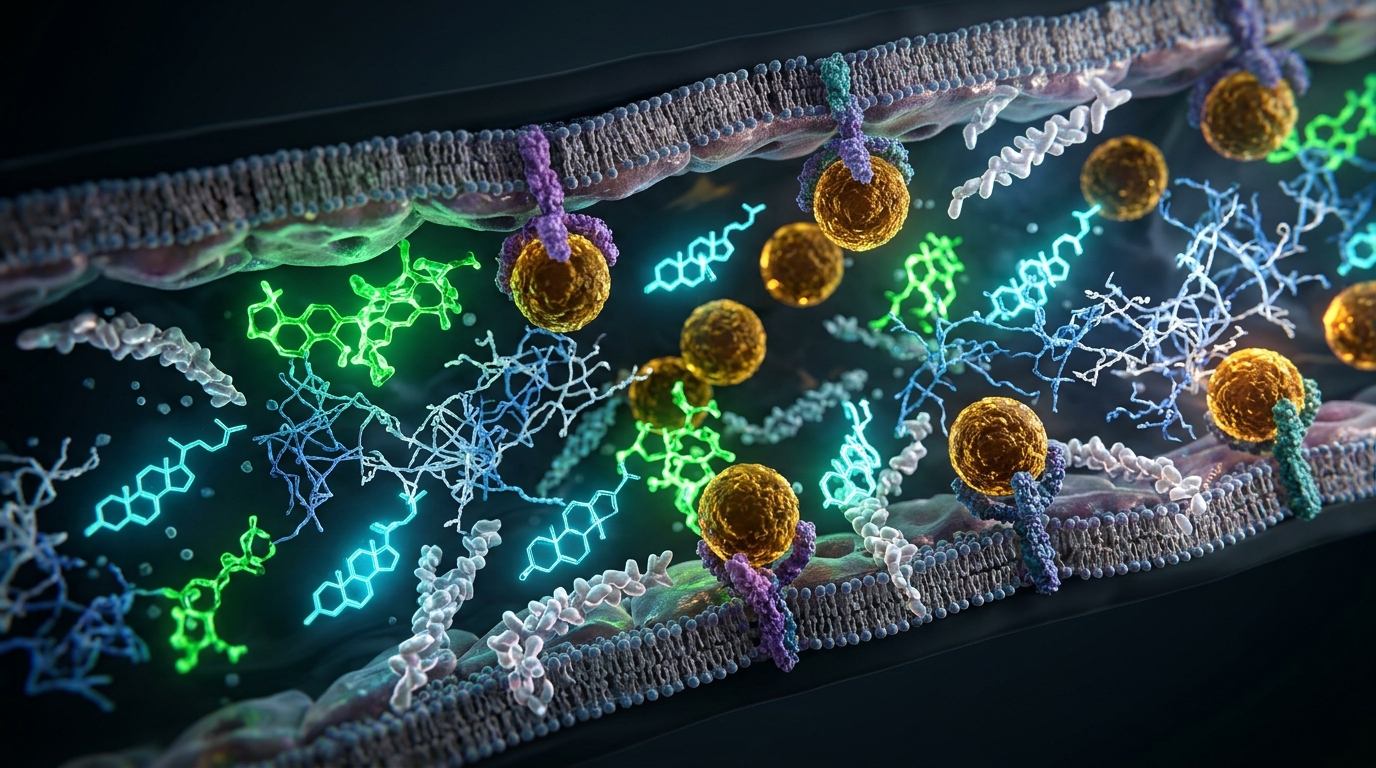
You did the smart thing. Instead of relying on an outdated basic cholesterol panel, you ordered an advanced lipid test to measure your ApoB (Apolipoprotein B)—the true count of plaque-forming cargo trucks circulating in your bloodstream.
Then the lab results landed in your inbox: ApoB at 105 mg/dL, LDL-C at 138 mg/dL.
Suddenly, you are standing at the most frustrating crossroads in modern preventive medicine. In a standard 10-minute clinic visit, you are typically handed an immediate ultimatum: start a lifelong prescription statin today, or go home and "eat a low-cholesterol diet" for three months.
So you try the diet route first. You ditch egg yolks, switch to dry chicken breast, eat plain green salads, and re-test 90 days later—only to discover your ApoB barely budged by 4%. Discouraged, you assume your genetics have doomed you and that medication is your only mathematical option.
In Medicine 3.0, we recognize why this happens: trying to lower blood ApoB simply by avoiding dietary cholesterol is like trying to empty a flooded bathtub by turning down the bathroom humidifier.
Roughly 80% of the cholesterol circulating in your bloodstream is manufactured and recycled internally by your own liver and intestines, not absorbed from the eggs you ate for breakfast. If you want to drive down ApoB without pharmaceuticals—or maximize your nutritional baseline so you only ever need the lowest possible micro-dose of medication—you cannot just "eat clean." You must biochemically target the three specific mechanical valves that govern how your liver creates, recycles, and clears lipoprotein particles.
By stacking viscous soluble fiber, competitive phytosterols, and smart fatty acid remodeling (including the essential odd-chain fatty acid C15:0), clinical trials demonstrate that you can slash ApoB and LDL-C by 25% to 35% in 8 to 12 weeks—rivaling a starting dose of a statin, with zero muscle soreness or CoQ10 depletion.
1. Why "Skipping Egg Yolks" Fails: The Liver's Thermostat System
To understand how to clear ApoB particles from your blood, imagine your liver as a climate-controlled warehouse with an automatic thermostat (SREBP-2).
Every cell in your body needs cholesterol to build cell membranes and synthesize hormones like testosterone, estrogen, and cortisol. Because cholesterol is so vital, your liver never leaves supply to chance:
- When you eat less dietary cholesterol: Your liver's internal thermostat senses the drop and simply cranks up internal production (via the HMG-CoA reductase pathway) while reabsorbing more cholesterol from your gut.
- The Result: Your blood ApoB barely moves.
To force your liver to pull ApoB particles out of your arteries, you must make the liver hungry for cholesterol while simultaneously keeping its LDL Receptors (LDLR)—the magnetic docking cranes on the surface of liver cells—wide open and active.
2. Pillar 1: Viscous Soluble Fiber & The Bile Acid Recycling Trap
If you eat a bowl of leafy kale or celery, you are getting insoluble fiber. Insoluble fiber acts like a stiff broom—great for moving stool through your colon, but it does almost nothing to lower your ApoB.
To lower ApoB, you need high-viscosity, gel-forming soluble fiber—specifically Psyllium Husk and Oat/Barley Beta-Glucans.
The 95% Recycling Loop (Enterohepatic Circulation)
Every time you eat a meal containing fat, your gallbladder squirts bile acids into your small intestine to emulsify the fat. What are bile acids made of? Pure cholesterol.
Your body is remarkably stingy with bile. Once bile finishes digesting your food, it travels down to the final section of your small intestine (the terminal ileum), where specialized transporters suck 95% of those bile acids right back into your bloodstream and return them to your liver to be reused again and again.
How Soluble Fiber Hijacks the Loop
When you drink 10 to 15 grams of viscous soluble fiber mixed in water 10 minutes before a meal, it transforms into a thick, slippery gel matrix inside your small intestine:
- The Molecular Sponge: This gel physically traps bile acids like flies in amber, preventing your ileum from reabsorbing them.
- Permanent Excretion: The trapped bile acids are carried straight into the colon and flushed out of your body in your stool.
- The Liver's Emergency Response: Suddenly, your liver realizes its bile acid supply has vanished. To manufacture fresh bile acids, the liver activates the enzyme CYP7A1 and rapidly builds millions of new LDL Receptors (LDLR) on its surface to snatch circulating ApoB particles out of your bloodstream and convert their cholesterol into new bile.
| Fiber Type | Primary Food / Supplement Source | Gel-Forming Viscosity | Impact on ApoB & LDL-C |
|---|---|---|---|
| Psyllium Husk | Whole psyllium husk powder (mucilage) | Extremely High (Non-fermented gel stays intact through entire gut) | Reduces ApoB by 10% – 15% at 10–15 g/day |
| Beta-Glucan | Steel-cut oats, oat bran, barley, mushrooms | High (Forms viscous mesh + produces propionate SCFAs) | Reduces ApoB by 7% – 10% at 3–5 g/day |
| Pectin & Guar Gum | Apples, citrus pith, chia seeds, ground flaxseed | Moderate to High (Slows gastric emptying & binds bile) | Reduces ApoB by 5% – 8% |
| Insoluble Cellulose | Romaine lettuce, celery, wheat bran | Zero (Does not form a gel or bind bile acids) | 0% direct impact on ApoB particle clearance |
Clinical Pearl: In a landmark meta-analysis published in the American Journal of Clinical Nutrition (Jovanovski et al., PMID: 30239559), supplementation with viscous psyllium fiber significantly lowered both LDL-C and ApoB across 28 randomized controlled trials—acting as a safe, natural bile acid sequestrant without causing bloating when titrated gradually.
3. Pillar 2: Phytosterols & Stanols (Nature's Ezetimibe)
While soluble fiber traps bile acids, a second stream of pure cholesterol is also trying to sneak across your intestinal wall: a mix of dietary cholesterol (from food) and free biliary cholesterol secreted by your liver.
To cross from your gut into your bloodstream, cholesterol molecules must board tiny fat droplets called mixed micelles and walk through a specific molecular doorway on your intestinal cells called the NPC1L1 (Niemann-Pick C1-Like 1) transporter.
(Fun fact: NPC1L1 is the exact doorway blocked by the popular prescription drug Ezetimibe / Zetia.)
Musical Chairs in the Small Intestine
Phytosterols and plant stanols are natural compounds found in plant cell membranes (concentrated in nuts, seeds, legumes, unrefined olive oil, and specialized plant sterol supplements). Under a microscope, a phytosterol molecule looks like cholesterol's identical twin—except for a tiny extra carbon side-chain.
When you consume 2.0 grams of phytosterols/stanols daily alongside your meals, a game of molecular musical chairs begins:
- Micelle Eviction: Because phytosterols are slightly more hydrophobic (water-fearing) than human cholesterol, they aggressively elbow human cholesterol out of the digestive micelles.
- Blocking the NPC1L1 Doorway: Unseated from its micelle transport, up to 50% of the cholesterol in your gut cannot enter the NPC1L1 transporter and is excreted in your stool.
- The Efflux Pump (
ABCG5/ABCG8): As for the phytosterols themselves, healthy intestinal cells immediately recognize them as "plant decoys" and pump >98% of them right back out into the gut lumen via ABCG5/ABCG8 efflux pumps.
The Medicine 3.0 Nuance: Are You a Normal Absorber or a Rare Hyper-Absorber?
In Dr. Peter Attia's Medicine 3.0 framework, there is one critical genetic nuance regarding high-dose phytosterol supplements:
- For ~98% of the population: Consuming 2 grams/day of plant sterols or plant stanols (stanols have virtually zero systemic absorption, <0.1%) safely reduces LDL-C and ApoB by 8% to 12% within 4 weeks.
- For the ~1–2% with ABCG5/G8 variants: A small subset of individuals have sluggish
ABCG5/ABCG8efflux pumps. If they take mega-doses of concentrated free plant sterol pills, those plant sterols can enter the bloodstream (where they can also be atherogenic). - The Smart Solution: Obtain your base phytosterols from whole foods (pistachios, sesame/tahini, flax, extra virgin olive oil), or if using a concentrated 2 g/day supplement, choose esterified plant stanols (such as Benecol / sitostanol) which have near-zero blood absorption, or verify your status with a Cholesterol Balance Test (measuring campesterol and lathosterol).
4. Pillar 3: The Saturated Fat Paradox & C15:0 (Pentadecanoic Acid)
For half a century, nutrition headlines treated "saturated fat" as a single, monolithic villain. Recent lipidology and metabolomics have shattered that oversimplification.
Saturated fatty acids are not all the same—their biological behavior depends entirely on how many carbon atoms are linked in their chain and whether that chain is even-numbered or odd-numbered.
Why Even-Chain Saturated Fats (C16:0) Spike Your ApoB
When you consume high amounts of even-chain saturated fats—specifically Palmitic Acid (C16:0) and Myristic Acid (C14:0) found heavily in palm oil, conventional butter, heavy cream, and fatty processed meats—they do not turn directly into arterial plaque. Instead, they sabotage your liver's docking cranes:
- C16:0 alters the fluidity of your liver cell membranes and suppresses the transcription factor SREBP-2.
- With SREBP-2 turned down, your liver pulls its LDL receptors (LDLR) off the cell surface.
- With fewer docking cranes available on the liver, ApoB cargo trucks remain stranded in your bloodstream for 3 to 5 days instead of being cleared within hours—skyrocketing your blood ApoB count.
Enter C15:0 (Pentadecanoic Acid): The Essential Odd-Chain Longevity Fat
In 2020, while studying the remarkable metabolic longevity of bottlenose dolphins and human centenarian cohorts, Dr. Stephanie Venn-Watson and her research team discovered something extraordinary: an odd-chain saturated fatty acid called C15:0 (Pentadecanoic acid) functions as the first newly identified essential fatty acid in over 90 years (since omega-3 and omega-6 were discovered in 1929).
Unlike 16-carbon palmitic acid (which causes inflammation and suppresses LDL receptors), 15-carbon pentadecanoic acid (C15:0) acts as a cellular armor and metabolic regulator:
| Biochemical Pathway | Even-Chain C16:0 (Palmitic Acid) | Odd-Chain C15:0 (Pentadecanoic Acid) | Monounsaturated C18:1 (EVOO / Oleic Acid) |
|---|---|---|---|
| Hepatic LDL Receptors (LDLR) | Downregulates LDLR (Stalls ApoB clearance from blood) | Neutral to Supportive (Does not suppress LDLR expression) | Upregulates LDLR (Accelerates ApoB particle clearance) |
| AMPK & PPAR Signaling | Suppresses AMPK; activates pro-inflammatory TLR4 | Activates AMPK & PPAR-α/δ (Boosts fatty acid oxidation) | Activates SIRT1 and PGC-1α mitochondrial pathways |
| Hepatic VLDL & Triglycerides | Increases liver fat (steatosis) & VLDL secretion | Reduces liver fat & lowers VLDL particle output | Reduces post-prandial triglyceride spikes |
| Cell Membrane Resilience | Promotes ferroptosis & lipid peroxidation under stress | Stabilizes cell membranes against oxidative fragility | Protects ApoB particles from oxidative modification |
How C15:0 Optimizes Your Lipid Panel
- Activates AMPK & PPAR-alpha/delta: C15:0 directly flips on your body's master metabolic switch (AMPK) and peroxisome proliferator-activated receptors (PPAR-α/δ). This tells your liver to burn fatty acids for energy rather than packaging them into triglyceride-rich VLDL particles (which eventually shrink into small, dense LDL particles).
- Repairs Mitochondrial Function: C15:0 integrates into mitochondrial and red blood cell membranes, reducing reactive oxygen species (ROS) by up to 45% and preventing premature cellular aging (ferroptosis).
- Solving the Dairy Dilemma: Historically, C15:0 is found in trace amounts (roughly 1%) in grass-fed dairy fat and certain fish skins. However, eating huge amounts of butter to get 150 mg of C15:0 forces you to swallow 30 to 40 times more C16:0 palmitic acid—which spikes your ApoB! By isolating pure C15:0 (100 to 200 mg/day) or obtaining it from odd-chain-rich Pecorino cheese and wild small fish while swapping butter for high-polyphenol Extra Virgin Olive Oil (EVOO), you get all the AMPK and membrane benefits of C15:0 with zero C16:0 receptor suppression.
5. Pillar 4: Natural PCSK9 & HMG-CoA Modulators (The Synergistic Boosters)
If soluble fiber, phytosterols, and the C15:0/EVOO lipid swap bring your ApoB down by 20% to 25%, how do you capture an extra 10% to 15% reduction if your baseline was stubbornly high?
You target PCSK9—the enzyme responsible for destroying your liver's LDL receptors.
Normally, a single LDL receptor on your liver surface can grab an ApoB particle, pull it inside the liver cell, drop off the cargo, and pop back up to the surface up to 150 times over its lifespan. However, an enzyme called PCSK9 acts like a molecular handcuff: when PCSK9 binds to an LDL receptor, the receptor is dragged into the cell's incinerator (lysosome) and destroyed after just one use.
Two clinically validated botanical compounds directly modulate this pathway without a prescription:
- Berberine HCl (500 mg twice daily with meals): Beyond its famous ability to lower blood glucose via AMPK, berberine directly suppresses hepatic PCSK9 transcription. By silencing PCSK9, your existing LDL receptors survive longer on the liver surface, pulling an extra 12% to 16% of ApoB particles out of circulation.
- Citrus Bergamot Polyphenolic Extract (500 – 1,000 mg daily): Standardized to 38% polyphenolic flavonoids (brutieridin and melitidin), bergamot gently inhibits hepatic HMG-CoA reductase and ACAT (the enzyme that packs cholesterol into ApoB particles) without triggering the muscle myalgia or CoQ10 depletion seen in synthetic statins.
6. Actionable Blueprint: The 90-Day Statin-Free ApoB Protocol
Do not attempt to overhaul everything vaguely. Execute this exact, measurable daily protocol for 8 to 12 weeks, then re-test your fasting ApoB, LDL-C, Triglycerides, and hs-CRP.
| Daily Timing | Intervention & Exact Clinical Dose | Physiological Target | Expected ApoB Impact |
|---|---|---|---|
| 10 Min Before Lunch & Dinner | Psyllium Husk: 5 to 7.5 g mixed in 300 ml water (Total: 10–15 g/day) + 3 g Oat Beta-Glucan at breakfast | Traps bile acids in gut; forces liver CYP7A1 & LDLR upregulation | -10% to -18% |
| With Largest Meals | Plant Stanols / Phytosterols: 2.0 g/day total (via fortified stanol chews, nuts, tahini, flax, EVOO) | Competitively blocks NPC1L1 intestinal cholesterol reabsorption | -8% to -12% |
| Morning Routine | Pure C15:0 (Pentadecanoic Acid): 100 – 200 mg/day + Swap butter/palm oil for 30+ ml Extra Virgin Olive Oil | Restores suppressed hepatic LDL receptors; activates AMPK & PPAR-α/δ | -10% to -15% |
| Optional Booster (If ApoB > 100 mg/dL) | Berberine (500 mg 2x/day) or Citrus Bergamot (500–1,000 mg/day) | Downregulates PCSK9 receptor destruction & reduces VLDL assembly | Additional -10% to -15% |
Step-by-Step Implementation Rules for Zero Side Effects
- The "Start Low, Go Slow" Fiber Rule: Never jump from 0 grams to 15 grams of psyllium husk on Day 1, or your gut microbiome will rebel with gas and bloating. Start with 1 teaspoon (3–4 grams) before dinner for Week 1, increase to 1 teaspoon before lunch and dinner in Week 2, and reach your full 10–15 gram target in Week 3. Always drink an extra glass of water immediately afterward.
- Medication Spacing (Crucial Safety Rule): Because viscous psyllium gel acts like a powerful sponge in your stomach, never take prescription medications (such as thyroid hormone, blood pressure meds, or fat-soluble vitamins) within 60 to 90 minutes of your psyllium dose. Take medications first thing in the morning, and save psyllium for lunch and dinner.
- Audit Your Stealth C16:0 Sources: Check your kitchen for "healthy-looking" foods loaded with even-chain saturated fats that shut down your LDL receptors: coconut oil/cream in curries, MCT powders containing lauric/palmitic acid, butter in morning coffee, and palm oil in protein bars. Swap them for high-polyphenol Extra Virgin Olive Oil, avocado oil, macadamia nuts, and wild salmon/sardines.
- The 90-Day Verification Blood Panel: Lipoprotein turnover and hepatic receptor remodeling reach a new steady state in 6 to 8 weeks. At Week 10 or 12, run a repeat blood test measuring ApoB (optimal longevity target: < 70 mg/dL, or < 60 mg/dL if you have elevated Lp(a) or family history).
Key Takeaways for Immediate Action
- Dietary Cholesterol Is Not the Main Knob: Roughly 80% of blood cholesterol comes from internal liver production and enterohepatic bile recycling. Simply cutting out egg yolks rarely lowers ApoB by more than 5%.
- Hijack the Bile Acid Loop with Viscous Soluble Fiber: Consuming 10 to 15 grams/day of Psyllium Husk plus 3 to 5 grams of Oat Beta-Glucan traps bile acids in the digestive tract, forcing your liver to pull ApoB particles out of your bloodstream to manufacture new bile.
- Block the NPC1L1 Gate with Phytosterols/Stanols: Consuming 2.0 grams/day of plant stanols or sterols with meals mimics Ezetimibe by competing with cholesterol inside intestinal micelles, cutting cholesterol absorption in half.
- Upgrade Your Fats with C15:0 and EVOO: Even-chain saturated fats (C16:0 palmitic acid in butter and palm oil) switch off liver LDL receptors. Replacing C16:0 with Extra Virgin Olive Oil and supplementing with 100–200 mg/day of C15:0 (Pentadecanoic acid) activates AMPK/PPARs, lowers liver VLDL output, and keeps LDL receptors wide open.
- The Portfolio Effect Rivaling Pharmaceuticals: When stacked together consistently, these mechanisms operate on complementary pathways—delivering a 25% to 35% reduction in ApoB within 90 days.
Peer-Reviewed Scientific References
- Jovanovski, E., Yashpal, S., Komishon, A., Zurbau, A., Blanco Mejia, S., Ho, H. V. T., Li, D., Sievenpiper, J., Duvnjak, L., & Vuksan, V. (2018). Effect of psyllium (Plantago ovata) fiber on LDL cholesterol and alternative lipid targets, non-HDL cholesterol and apolipoprotein B: a systematic review and meta-analysis of randomized controlled trials. The American Journal of Clinical Nutrition, 108(5), 922–932. PubMed PMID: 30239559
- Jenkins, D. J., Kendall, C. W., Marchie, A., Faulkner, D. A., Wong, J. M., de Souza, R., Emam, A., Parker, T. L., Vidgen, E., Lapsley, K. G., Trautwein, E. A., Josse, R. G., Leiter, L. A., & Connelly, P. W. (2003). Effects of a dietary portfolio of cholesterol-lowering foods vs lovastatin on serum lipids and C-reactive protein. JAMA, 290(4), 502–510. PubMed PMID: 12876093
- Venn-Watson, S., Lumpkin, R., & Dennis, E. A. (2020). Efficacy of dietary odd-chain saturated fatty acid pentadecanoic acid parallels broad associated health benefits in humans: could it be essential? Scientific Reports, 10(1), 8161. PubMed PMID: 32424181
- Ras, R. T., Geleijnse, J. M., & Trautwein, E. A. (2014). LDL-cholesterol-lowering effect of plant sterols and stanols across different dose ranges: a meta-analysis of randomised controlled studies. British Journal of Nutrition, 112(2), 214–219. PubMed PMID: 24780090
Recommended Reading
- Outlive: The Science and Art of Longevity by Dr. Peter Attia, M.D. – The definitive Medicine 3.0 blueprint explaining why ApoB particle clearance is the cornerstone of preventing cardiovascular disease decades before a plaque ruptures.
- The Dormant Longevity Factor: Why C15:0 Is the First Essential Fatty Acid Discovered in 90 Years (The Cellular Stability Blueprint) (The Longevity Nutrient by Dr. Stephanie Venn-Watson, DVM, MPH) – The fascinating scientific detective story of how Navy dolphin research uncovered C15:0 (pentadecanoic acid) and how it stabilizes cellular membranes, activates AMPK, and optimizes metabolic and lipid health.
- Fiber Fueled: The Plant-Based Gut Health Program for Losing Weight, Restoring Your Health, and Optimizing Your Microbiome by Dr. Will Bulsiewicz, M.D., MSCI – A masterclass by a board-certified gastroenterologist on how soluble fibers, beta-glucans, and short-chain fatty acids remodel hepatic cholesterol metabolism and vascular health.
Calculate Your Daily Protein & Autophagy Fasting Window
Preserve skeletal muscle mass with per-meal leucine thresholds while strategically scheduling overnight fasting to stimulate cellular renewal and autophagy.
Recommended Precision Tools & Nutrients for Cellular Longevity
Evidence-based clinical protocol equipment & biohacking tools
Nordic Naturals Ultimate Omega-3 (1,280 mg Triglyceride Form)
True re-esterified triglyceride (rTG) fish oil delivers superior bioavailability, lowering circulating triglycerides and generating specialized pro-resolving mediators (SPMs).
OXO Good Grips 11-lb Stainless Steel Precision Food Scale
Visual estimation undercounts protein intake significantly. Accurate weighing ensures you consistently cross the 3g Leucine threshold required for muscle protein synthesis.
Thorne Berberine Phytosome (Enhanced Bioavailability)
Frequent postprandial glucose excursions accelerate microvascular damage and promote systemic cellular glycation.
Actionable Longevity Checklist: Next Steps
Scientific insights have maximum power when translated into micro-habits. Check off your daily targets:
Log in Habitspan Daily Protocol (15s)
Lock your 4 biological pillars daily with zero friction and zero tedious data entry.
Calculate Your Biological Cell Age
Assess your functional longevity score against chronological birth age using Medicine 3.0 metrics.